AI control of the e-shop
MCP server, REST API, catalogue managed via ChatGPT and Claude
- Custom MCP server (Model Context Protocol) on top of the e-shop API, with 123 tools. ChatGPT, Claude and other assistants connect with a single package and a token, then work with the catalogue like an operator in the admin. The client never has to open the admin at all.
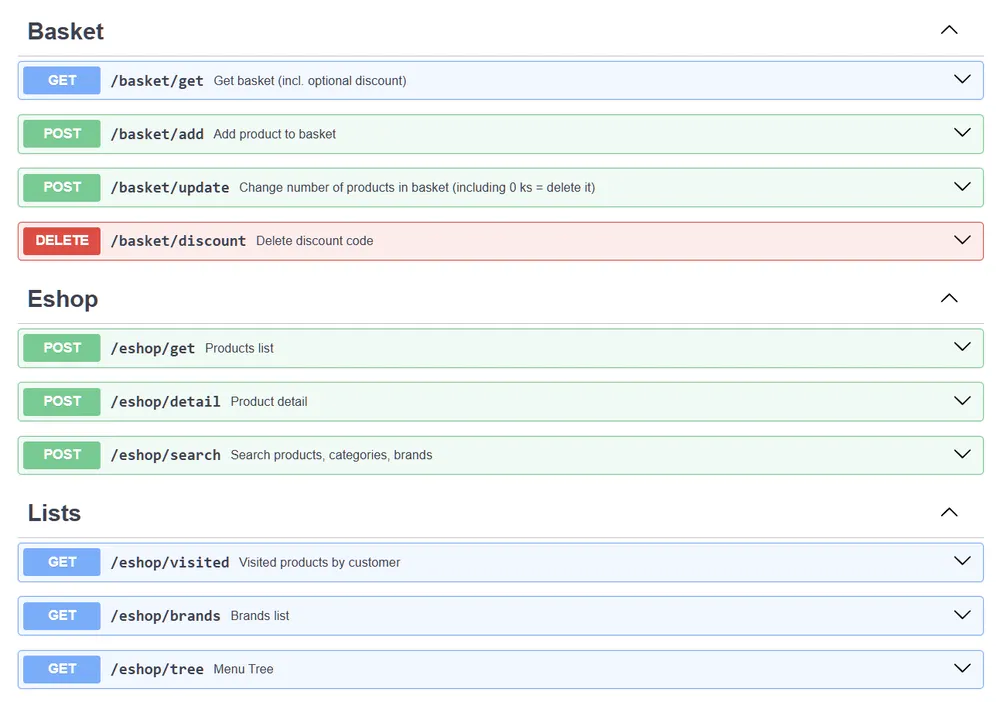
- REST API with 132 operations across 91 endpoints, documented in OpenAPI including Swagger UI. Usable without AI too, for your own scripts, mobile apps or connecting other systems.
- Security and permissions: a token per application, read or readwrite scope (the server rejects write tools presenting a read token), IP allowlist, a requests-per-minute rate limit and a full audit log of every call (who, when, what changed, how long it took).
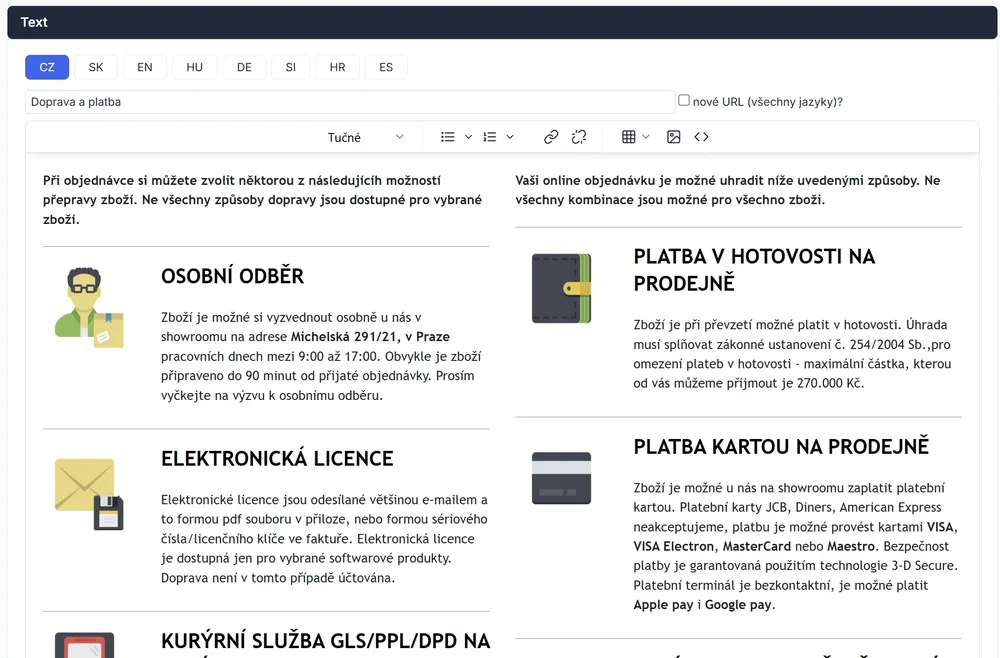
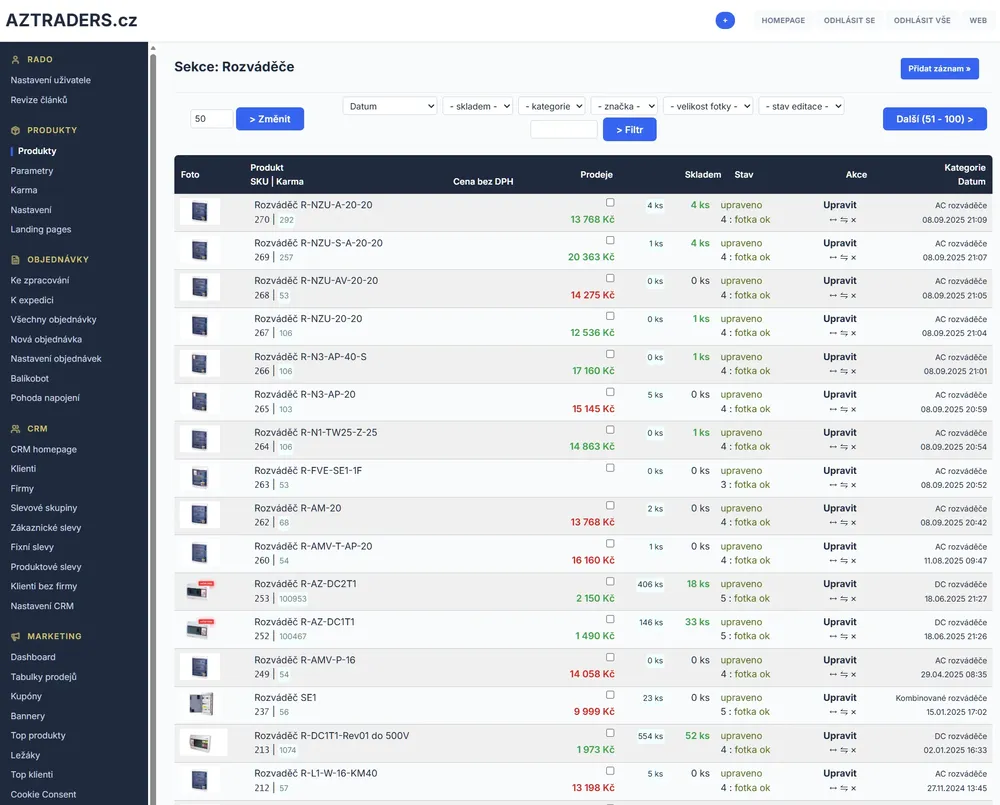
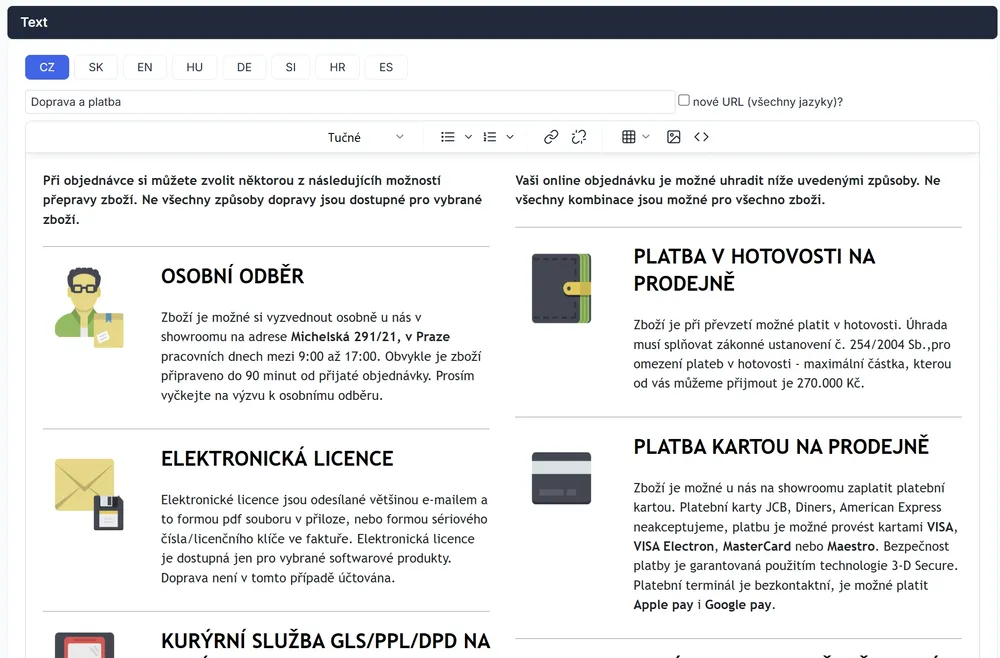
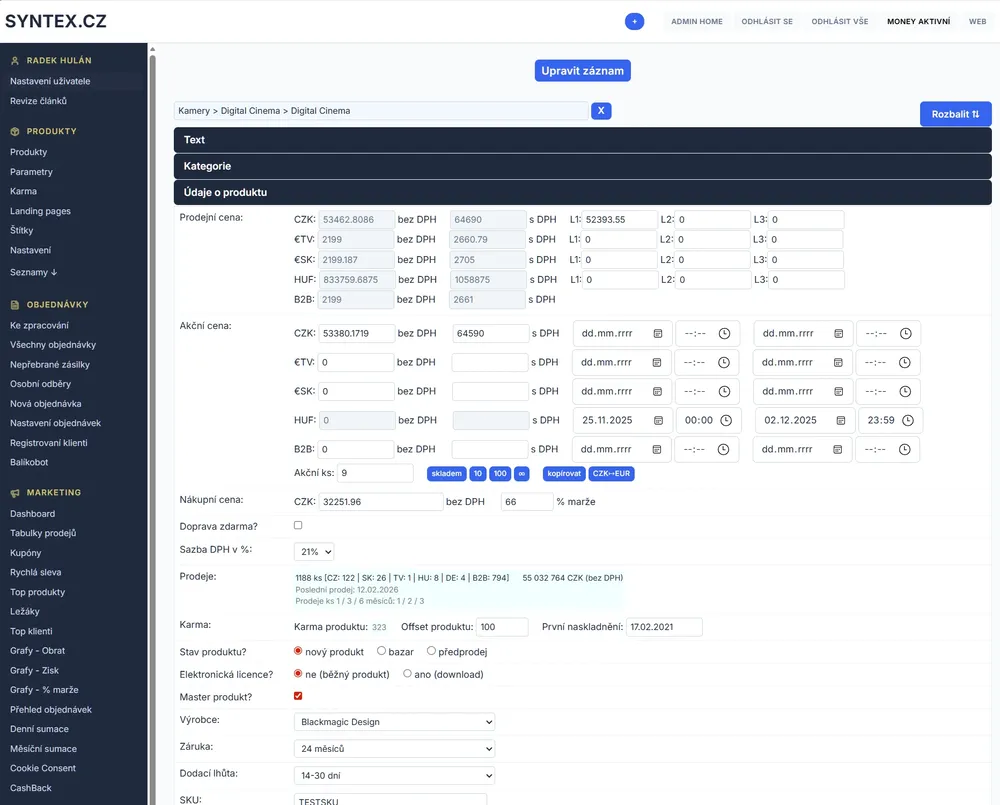
- Products: creating and editing, descriptions and titles in eight languages in a single call, parameters and their value lists, tags, visibility, promo prices with a time window, shipping weight, publishing from draft, push to accounting.
- Media: bulk upload of images (up to 20 per call), videos and PDF documents, gallery ordering and main image selection, management of public files.
- Product relations: accessories, variants, replacements for sold-out items and add-ons. The AI reads the specifications of both products and decides on its own whether they belong together. This is the kind of work nobody ever finds time for, yet it shows up most in the cart.
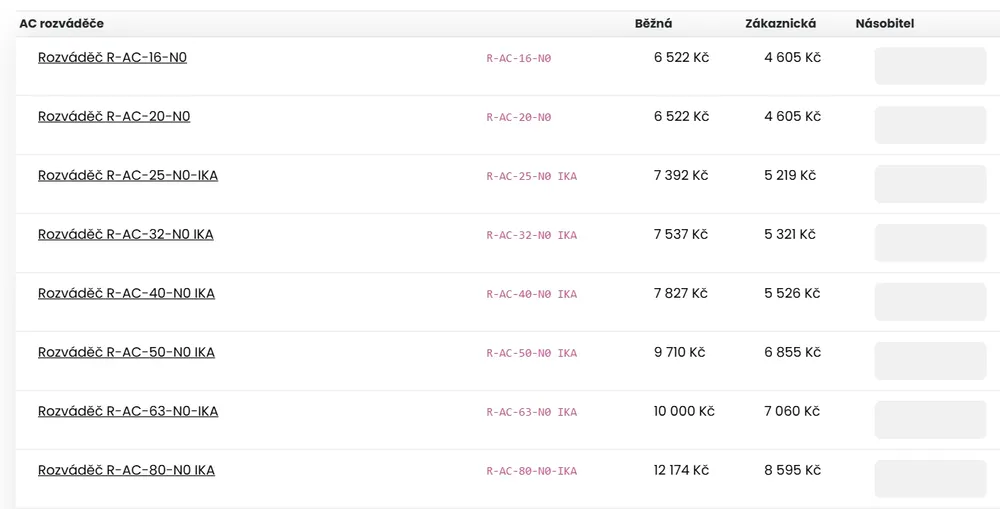
- Pricing: B2B rules over supplier feeds, B2C competitor monitoring including price-list imports, a preview of changes before approval (preview first, apply only afterwards) and clearance of slow movers according to a chosen strategy.
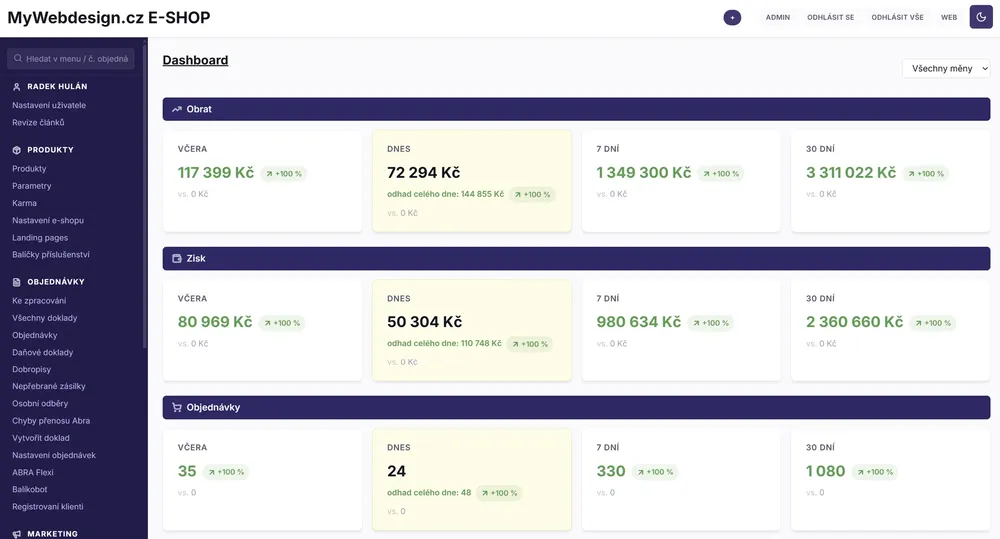
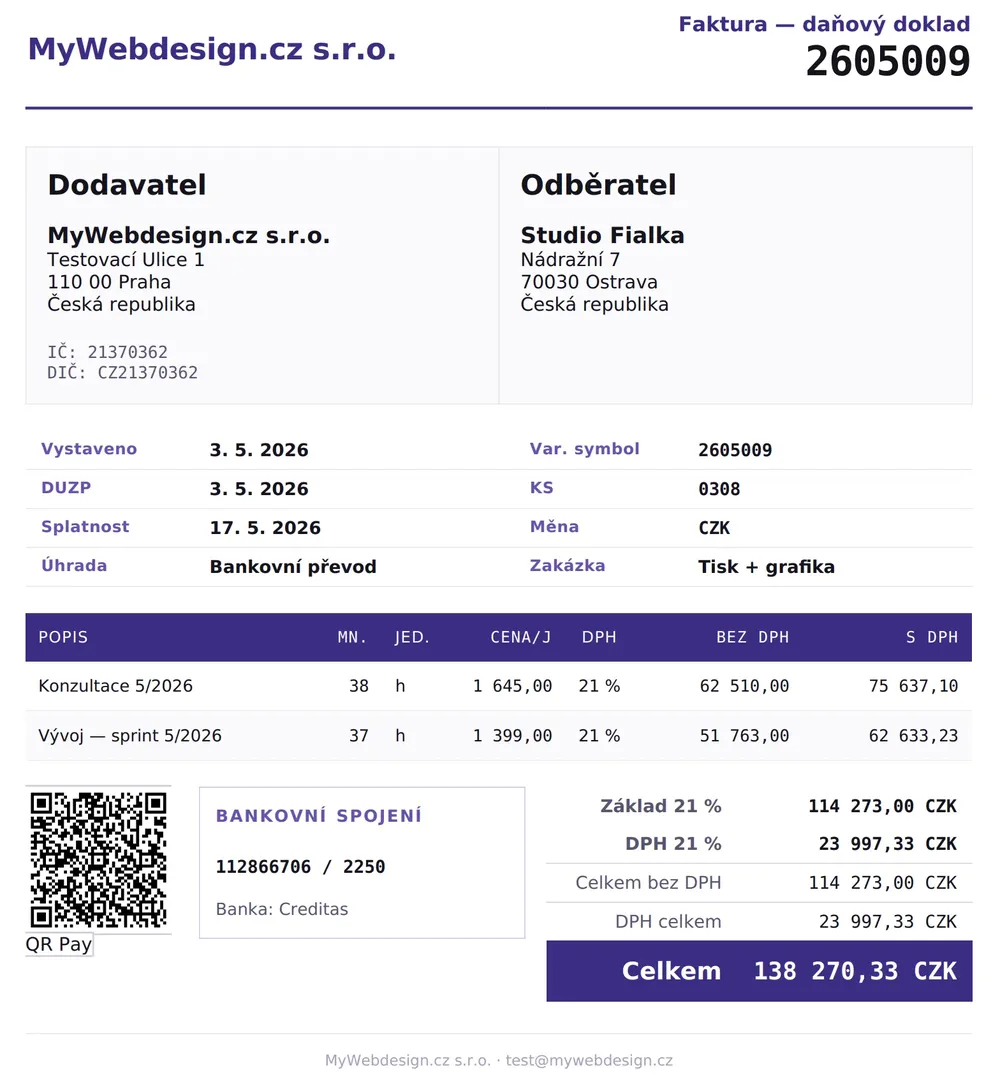
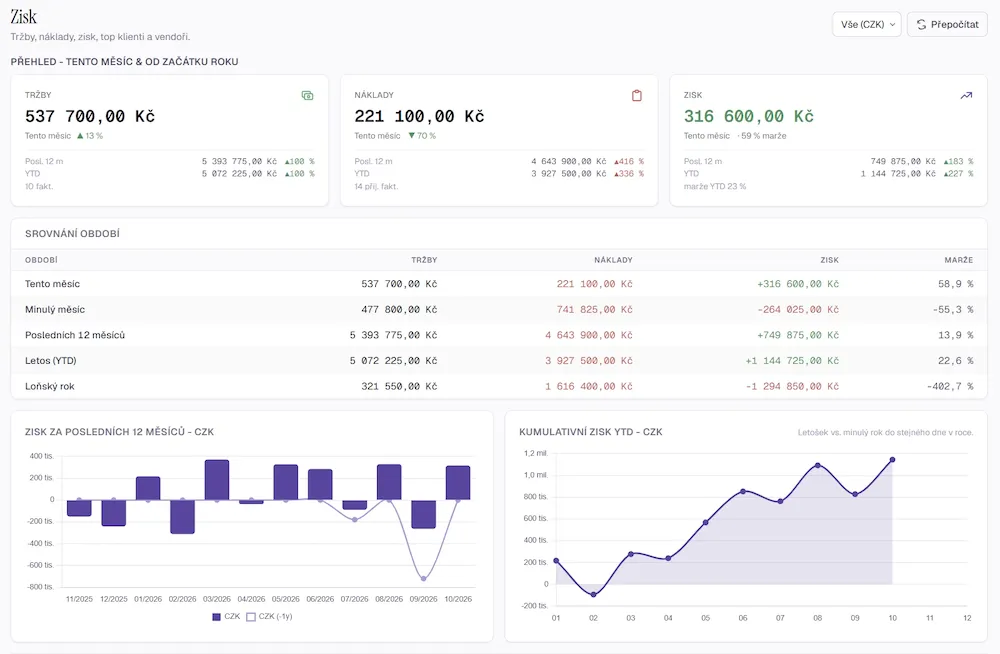
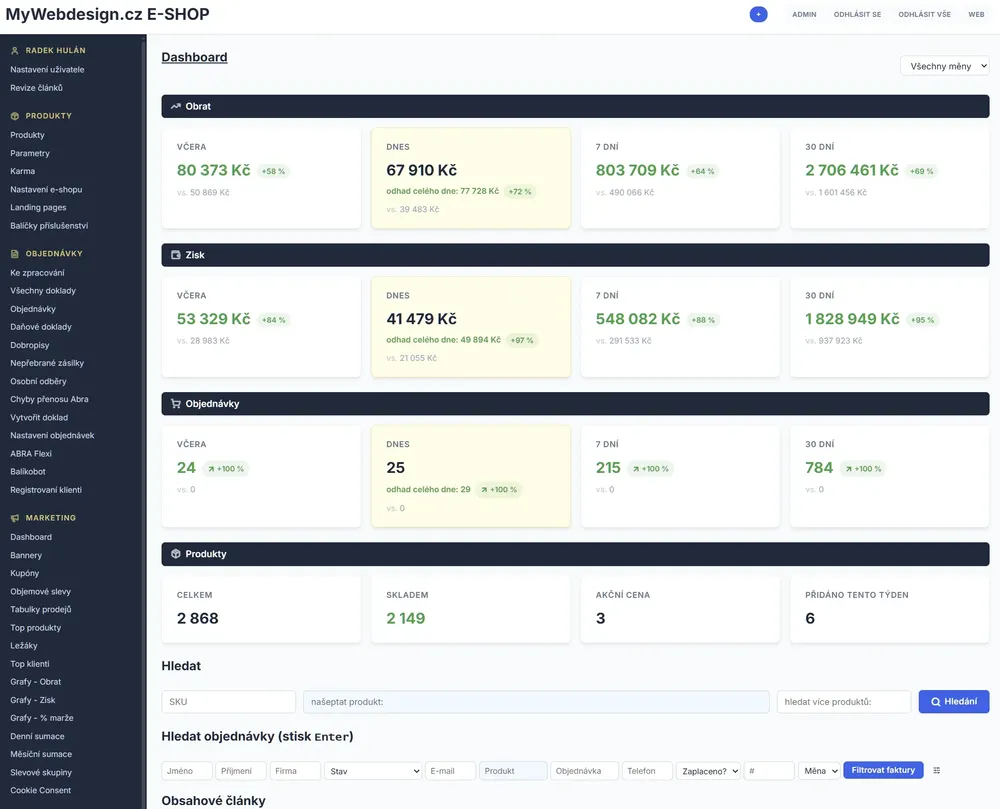
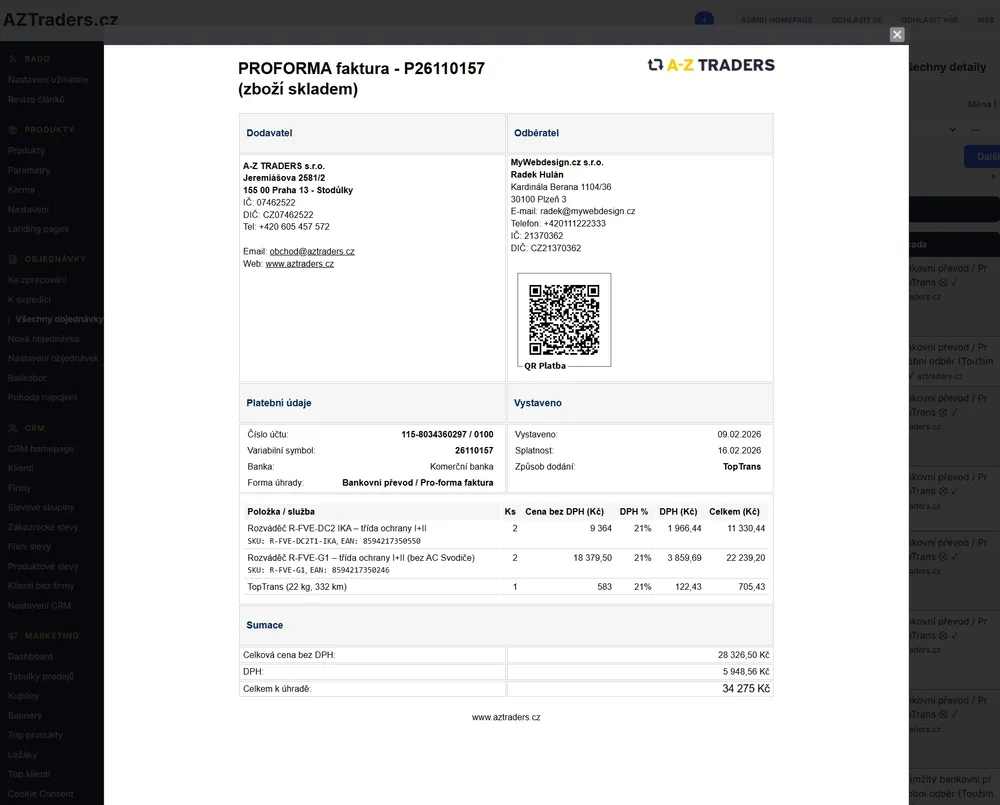
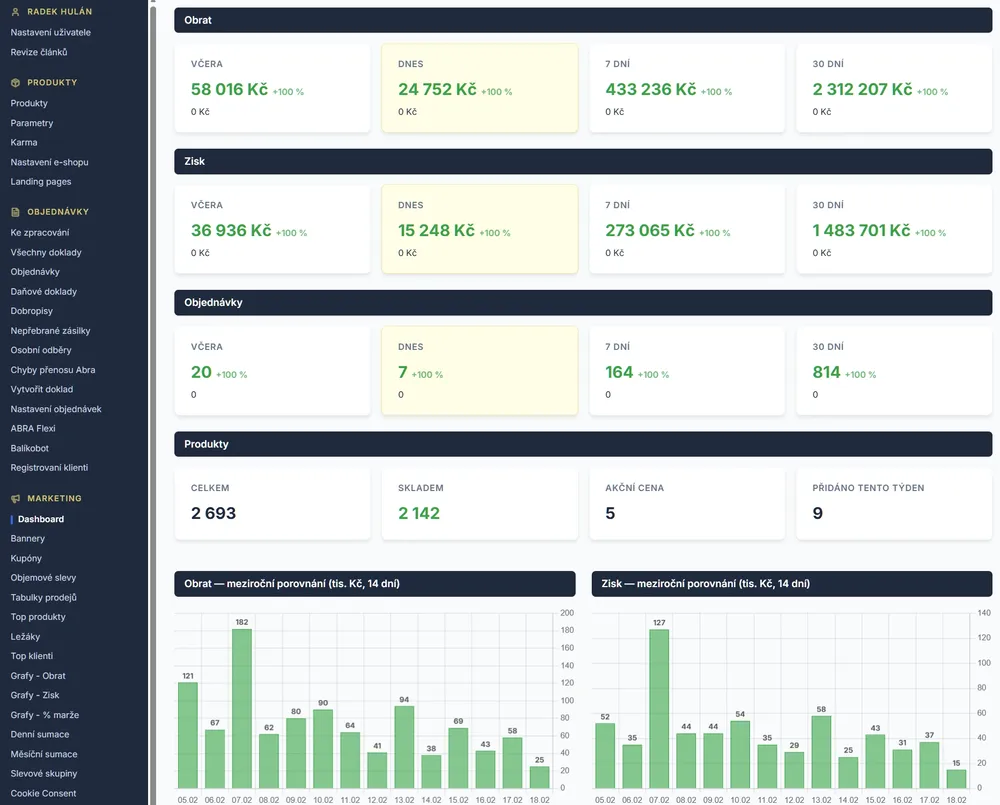
- Analytics and CRM: orders across 20 dimensions with cross-tabulations of up to three dimensions at once (day × site × state, day × product × brand), sorting by revenue or profit, customers, invoices and real margins from Money accounting.
- Marketing attribution: source, medium, campaign, click ID and referrer on every order. That makes it possible to tell where a sale actually came from and to optimise PPC against real margin. A separate marketing app pulls the same data through the API.
- Safeguards: client-side request throttling, a health check on startup and the target domain right in the tool names, so the AI never hits production when it meant to hit the test site.
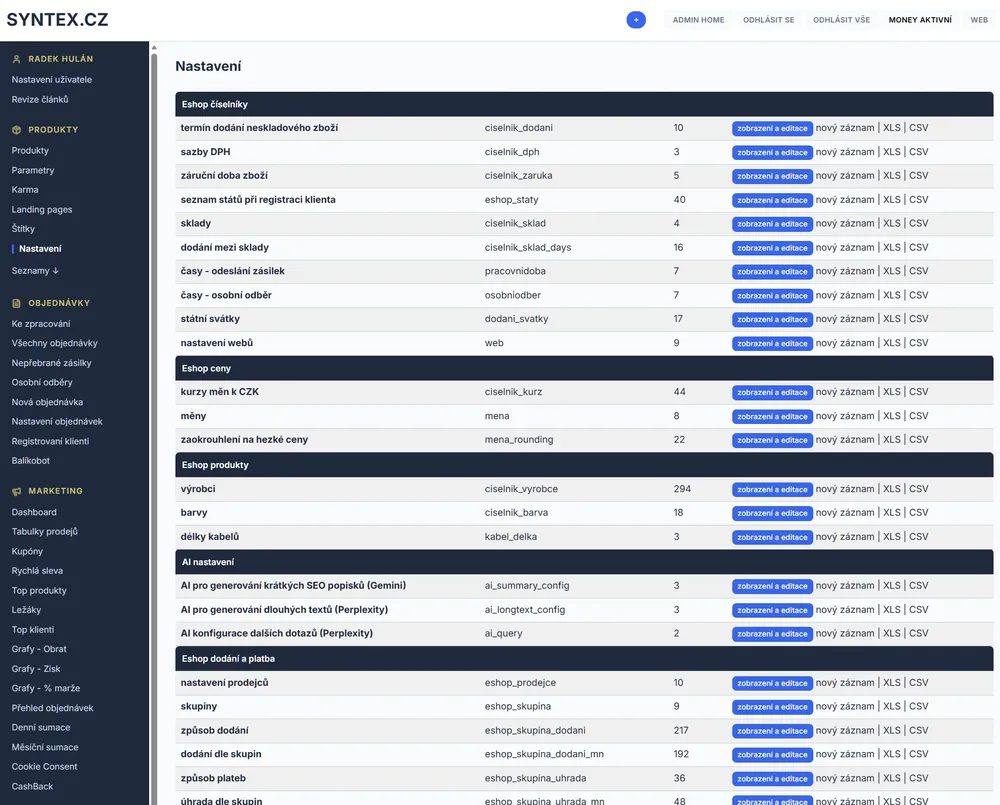
- What this looks like in production is shown in the SYNTEX.cz case study: 1,145,560 requests and 164,393 product changes in 50 days, without a single click in the admin.